Shoulder Surgery
Physiotherapy After Shoulder Surgery - Complete Recovery Guide by Spectrum Physio
Shoulder surgery—whether it is a rotator cuff repair, labrum repair, acromioplasty, shoulder dislocation surgery, SLAP tear repair, Bankart repair, clavicle fixation, or shoulder replacement—requires a structured and scientific rehabilitation program for full functional recovery. Without proper physiotherapy, even a successful surgery may lead to stiffness, weakness, or recurrent pain.
At Spectrum Physio Centre, we follow a biomechanics-based rehabilitation model, ensuring safe, progressive, and complete recovery.
Why Physiotherapy Is Essential After Shoulder Surgery?
Post-surgery, your shoulder may feel stiff, painful, weak, or difficult to move. A
physiotherapy program helps you:
- Reduce pain and swelling
- Restore shoulder movement safely
- Activate and strengthen rotator cuff and scapular muscles
- Improve posture and prevent impingement
- Restore daily activities like lifting, dressing, reaching
- Prevent frozen shoulder
- Return to sports, fitness, and work
- Improve shoulder stability and prevent future injuries
A customized post-operative program ensures faster healing and long-term success.
Stages of Physiotherapy After Shoulder Surgery
Phase 1: Protection & Pain Relief (0–3 Weeks)
Goal: Reduce pain and swelling, protect the repair, start gentle mobility
During this phase, the shoulder is usually supported with a sling. The focus is on safe recovery and healing.
Treatment Includes
- Cryotherapy (ice therapy)
- Laser therapy to enhance tissue healing
- TENS for pain reduction
- Gentle passive range-of-motion exercises
- Pendulum exercises
- Elbow, wrist, and hand mobility
- Posture correction to avoid neck–shoulder stress
- Sleep-position guidance
- You are also taught
- How to wear/remove the sling
- Safe sitting, sleeping, and bathing methods
- Do’s & don’ts for protecting the surgical area
Goal: Pain relief, swelling reduction, protecting the surgical repair.
Phase 2: Controlled Mobility (3–8 Weeks)
Goal: Restore safe mobility, reduce stiffness, activate stabilizer muscles
Treatment Includes
- Passive and active-assisted shoulder movements
- Wand exercises
- Table slides
- Scapular retraction and depression
- Soft tissue release for surrounding muscle tightness
- Kinesio taping for support
- Fascia release for upper traps, pecs, deltoid, and rotator cuf
- Gentle stretching (as permitted by surgeon)
- This phase is crucial to prevent frozen shoulder and restore pain-free mobility
Phase 3: Strengthening Phase (8–16 Weeks)
Goal: Strengthen rotator cuff & scapular muscles, restore functional strength
Treatment Includes
- Theraband strengthening
- Wall push-ups and modified push-ups
- Closed-chain stability exercises
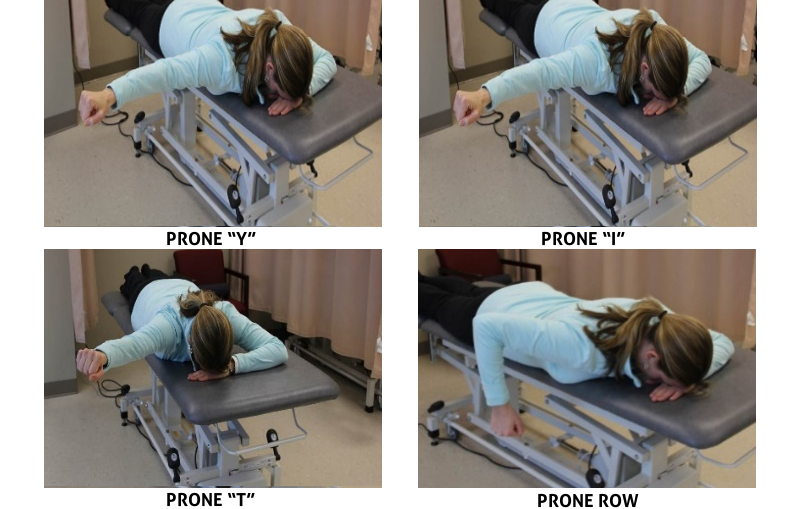
- Scapular stability training
- Rotator cuff strengthening (IR/ER)
- Posture rehabilitation to correct rounded shoulders
- Laser therapy for any residual inflammation
- Proprioception and neuromuscular control exercises
- At this stage, patients usually start returning to functional activities.
Phase 4: Advanced Strength & Functional Training (4–6 Months)
Goal: Return to sports, work, overhead activity & full strength
Treatment Includes
- Overhead strengthening
- Advanced theraband and weight training
- Plyometric training (when required)
- Sport-specific drills (swimming, badminton, cricket, tennis)
- Functional task training: reaching, lifting, pushing, pulling
- Biomechanical correction for overhead motion
- Return-to-sport screening
- By the end of this phase, most patients regain full shoulder function
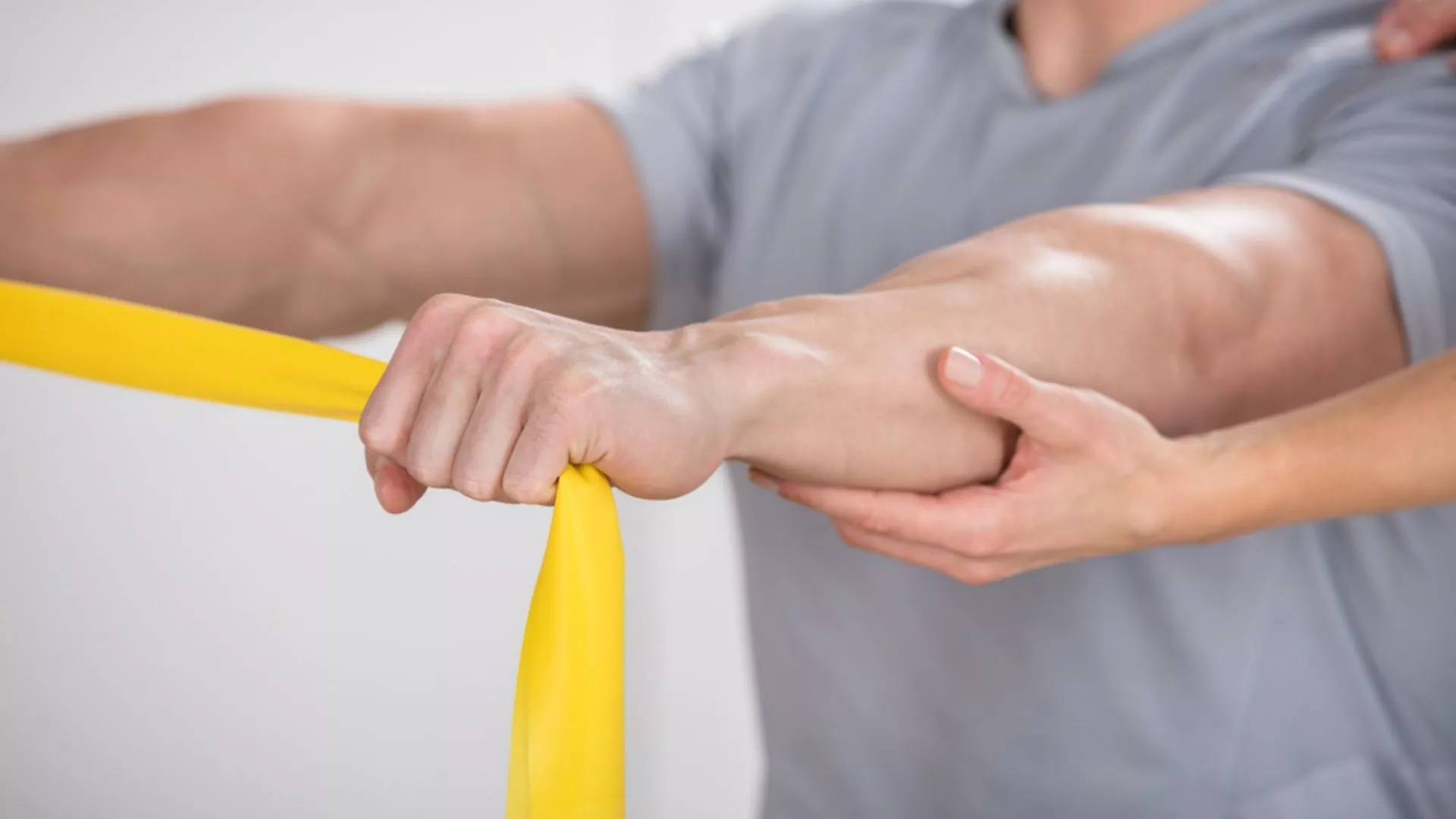
Common Problems After Shoulder Surgery – and How Physio Helps
Stiffness / Frozen shoulder
Physiotherapy quickly restores mobility using controlled stretching, joint mobilization, and fascia release.
Weakness in rotator cuff muscles
Strength training restores lifting, reaching, and overhead function.
Pain during movement
Manual therapy, cold therapy, and biomechanics correction reduce painful compensations.
Poor posture
Correcting upper-cross syndrome helps prevent future impingement.
Fear of moving the shoulder
Education builds confidence and ensures a safe recovery
Why Choose Spectrum Physio for Shoulder Rehabilitation?
- 20+ years of clinical experience
- Shoulder biomechanics–based assessment
- Certified manual therapists
- Evidence-based protocols (international standards)
- Advanced modalities – Laser, TENS, Ultrasound
- Sports shoulder rehabilitation for athletes
- Home-based rehab programs & teleconsultation
- Progressive recovery milestones
Conclusion
Shoulder surgery recovery depends heavily on proper physiotherapy. With a structured plan, expert hands, and progressive exercise therapy, patients return to daily activities, sports, and pain-free function.
Spectrum Physio ensures world-class shoulder rehabilitation and complete support throughout every stage.