

Stretching in Sports
Stretching Protocols for Endurance & Racket Sports
(5K, 10K, Half Marathon, Full Marathon, Triathlon, Ironman, Badminton, Football, Pickleball,
Tennis & Table Tennis)
Understanding the Three Types of Stretching
Ballistic Stretching
- Uses momentum and bouncing movements
- High neuromuscular demand
- Not recommended for recreational athletes
- Used selectively for elite, well-conditioned players
Risk: Muscle strain if done improperly
Dynamic Stretching
- Controlled, sport-specific movements
- Takes joints through full functional ROM
- Activates muscle-tendon unit + nervous system
BEST for warm-up before sport
Static Stretching
- Stretch held for 20–45 seconds
- Reduces muscle tone and stiffness
- Improves flexibility and recovery
BEST after training or competition

Stretching Timing – Golden Rule
| Phase | Stretch Type |
|---|---|
| Pre-event | ✅ Dynamic |
| During breaks | Light dynamic only |
| Post-event | ✅ Static |
| Rehab / Recovery days | Static + MFR |
| Elite conditioning | Ballistic (selective) |
SPORT-WISE STRETCHING PROTOCOLS 🏃
RUNNING EVENTS
(5K | 10K | Half Marathon | Full Marathon)
Pre-Run (Dynamic – 8–12 min)
Focus: Hip–knee–ankle kinetic chain
- Leg swings (front–back & side)
- Walking lunges with rotation
- High knees
- Butt kicks
- Ankle hops
- Hip circles
- A-skips / B-skips
Distance-specific emphasis
- 5K / 10K: Speed + elastic recoil
- Half / Full: Hip mobility + calf–hamstring endurance
Post-Run (Static – 10–15 min)
- Calf stretch (gastrocnemius & soleus)
- Hamstring stretch
- Quadriceps stretch
- Hip flexor stretch
- Glute & piriformis stretch
- Plantar fascia stretch
Physio note: Marathoners often present with calf–hamstring–hip flexor tightness leading to lumbar overload
TRIATHLON & IRONMAN
(Swim + Bike + Run)
Pre-Session (Dynamic)
Upper Body (Swim):
- Arm circles
- Shoulder swings
- Thoracic rotations
- Scapular activation drills
Lower Body (Bike/Run):
- Hip flexor lunges
- Hamstring sweeps
- Ankle dorsiflexion drills
- Glute activation walks
Post-Session (Static)
- Pec & lat stretch (critical for swimmers)
- Hip flexor & quads (cycling dominance)
- Hamstrings & calves
- Thoracic spine mobility holds
Physio note: Ironman athletes commonly show upper cross + lower cross syndrome – stretching must be balanced with strengthening
BADMINTON
Pre-Game (Dynamic)
Focus: Explosive lunges, shoulder rotation
- Arm swings (internal/external rotation)
- Wrist circles
- Side lunges
- Forward lunges
- Skipping
- Trunk rotations
Post-Game (Static)
- Shoulder capsule stretch
- Forearm flexor/extensor stretch
- Hip adductor stretch
- Calf stretch
- Achilles tendon stretch
Injury prevention:
- Rotator cuff
- Achilles
- Adductors
FOOTBALL
Pre-Match (Dynamic)
Focus: Sprint, agility, deceleration
- High knees
- Bounding
- Carioca steps
- Hip openers
- Dynamic hamstring kicks
- Ankle hops
Post-Match (Static)
- Hamstrings
- Hip flexors
- Quadriceps
- Adductors
- Calves
- Lower back stretch
Physio note: Avoid static stretching before kickoff – increases risk of hamstring injury
PICKLEBALL & TABLE TENNIS
Pre-Play (Dynamic)
Focus: Wrist, shoulder, trunk
- Wrist flexion-extension drills
- Arm swings
- Carioca steps
- Shoulder circles
- Side shuffles
- Light lunges
Post-Play (Static)
- Wrist flexors/extensors
- Shoulder stretch
- Neck & upper trapezius
- Thoracic spine stretch
Common issues:
- Tennis elbow
- Shoulder impingement
- Neck stiffness
TENNIS
Pre-Match (Dynamic)
- Shoulder external rotation drills
- Arm swings
- Trunk rotation with lunge
- Side steps
- Skipping
Post-Match (Static)
- Shoulder posterior capsule
- Forearm extensors
- Hip flexors
- Hamstrings
- Calves
Injury focus:
- Lateral epicondylitis
- Rotator cuff overload
- Lumbar rotation stress
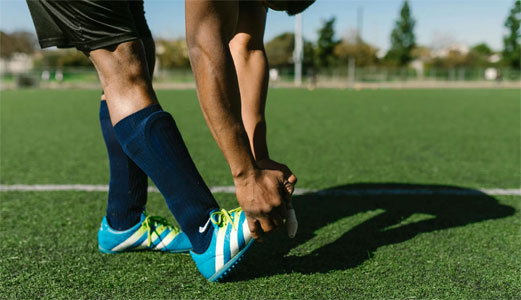
Ballistic Stretching – Who Should Use It?
- Elite sprinters
- Professional footballers
- Advanced badminton players
Examples:
- Bounding drills
- Fast leg kicks
- Plyometric jumps
Not advised for:
- Beginners
- Recreational runners
- Masters athletes (>40 yrs)
- Anyone with recent injury
Spectrum Physio Expert Advice
TENS is generally safe, but should be avoided in:
- Stretching never replaces strengthening
- Wrong stretching timing = higher injury risk
- Biomechanics-based stretching is superior to generic routines
- Combine with
- Myofascial release
- Mobility drills
- Sport-specific strength training